Post-quantum cryptography

Post-quantum cryptography is a new generation of protection designed to resist future quantum computing attacks. Once quantum computers become a reality, they will break most of today's encryption. That moment is closer than you might think – and Termius is already prepared.
We added support for ML-KEM and ML-DSA, two post-quantum cryptographic algorithms that bring quantum-resistant protection to both SSH key exchange and authentication. They keep your SSH connections secure against the threats of future quantum computers.
ML-KEM and ML-DSA are defined by NIST (National Institute of Standards and Technology) in their standards FIPS 203 and FIPS 204. Both algorithms are also recommended by ENISA (European Union Agency for Cybersecurity), making them officially approved standards by governments and cybersecurity authorities in both the US and Europe.
Why it matters
Most modern encryption relies on mathematical problems that would take today's computers thousands or even millions of years to solve. However, quantum computers, once they become a reality, could break these algorithms in days or even hours.
For decades, quantum computers have been a theoretical concern and the threat felt comfortably distant. Most experts now estimate that a quantum computer could arrive within the next decade. In 2024, NIST finalized the first official post-quantum cryptographic standards and published a migration deadline – signaling that governments and standards bodies were no longer treating this as a future problem.
Quantum computers pose two major risks that need to be considered today, not in the distant future.
"Harvest now, decrypt later"
Attackers can capture your encrypted SSH sessions traffic today and decrypt it once quantum computers become available. It's a long game, but a dangerous one – especially for the sensitive data.
Impersonation attacks
Quantum computers would also be capable of breaking traditional signature algorithms like RSA, ECDSA, and Ed25519 used for authentication in SSH. That means an attacker could forge a server's identity to intercept your connection (man-in-the-middle), or impersonate you to any server and gain unauthorized access to your infrastructure.
How Termius protects you
Termius has implemented two post-quantum algorithms, ML-KEM and ML-DSA, to secure your SSH session traffic and authentication.
Protecting your sessions against harvest attacks

ML-KEM is a post-quantum key exchange algorithm that secures how your client and server establish a shared secret at the start of every SSH connection. Because this process is quantum-resistant, even if someone captures your encrypted traffic today, they won't be able to decrypt it – now or in the quantum era.
Termius supports:
Hybrid mode
It combines post-quantum (ML-KEM) and classical (X25519) algorithms so that even if one is ever broken, the other still keeps your session secure. It is the recommended approach during the transition period. Post-quantum cryptography is still relatively new, and hybrid mode ensures you're protected even if an unexpected flaw in either algorithm is discovered in the future.
Standalone ML-KEM
It is the fully post-quantum option – a clean, future-proof choice for environments where all systems already support the new standards.
ML-KEM is available in OpenSSH 9.9 and is the default key exchange in OpenSSH 10.0. Termius automatically uses the strongest available security when you connect – you only need to keep OpenSSH up to date.
Protecting your identity against impersonation
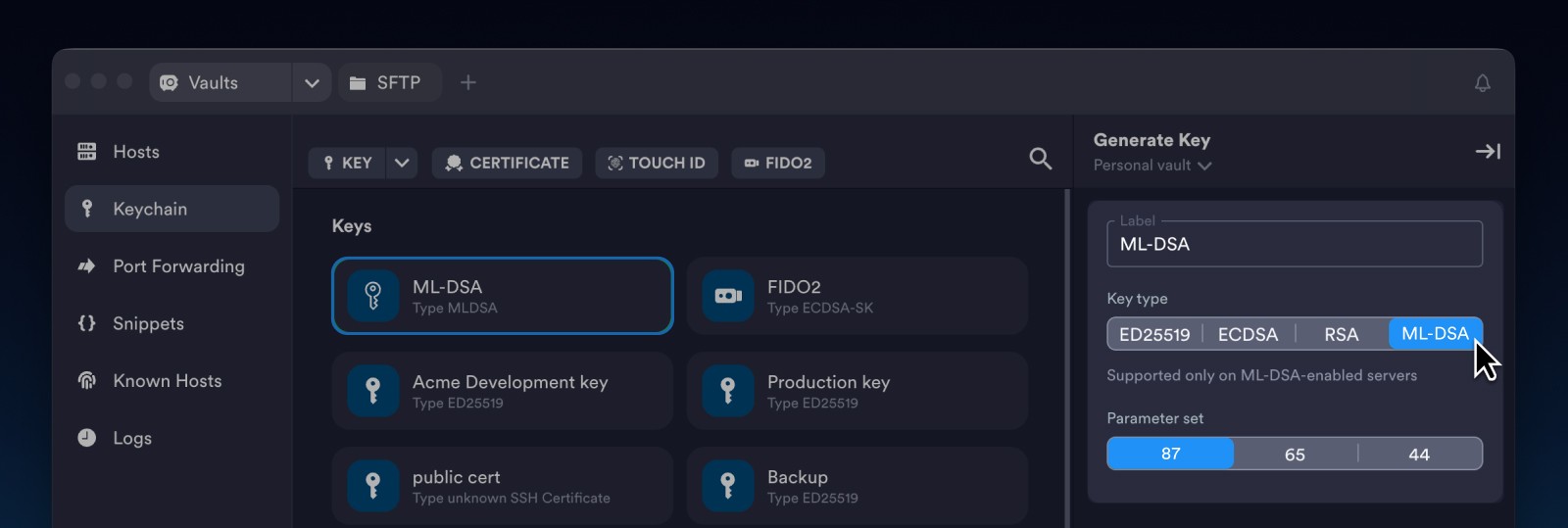
To address the impersonation threat, Termius supports ML-DSA keys – post-quantum secure keys for both host and user authentication. They come at three security levels:
ML-DSA 44 – NIST security level 2
ML-DSA 65 –NIST security level 3
ML-DSA 87 – NIST security level 5
The risk here is less immediate than that of harvest attacks, and SSH servers haven't yet adopted ML-DSA, though the industry is moving in that direction. OpenSSH has committed to supporting post-quantum signatures in the near future, and Termius already has ML-DSA keys ready for when your servers catch up.
Looking ahead
Post-quantum cryptography is no longer something you can ignore – it is becoming a compliance and risk management requirement.
Termius has already implemented post-quantum cryptography, ensuring your SSH sessions remain protected not just against today's threats but also against future attacks.
For more technical details, visit our Documentation


Read more
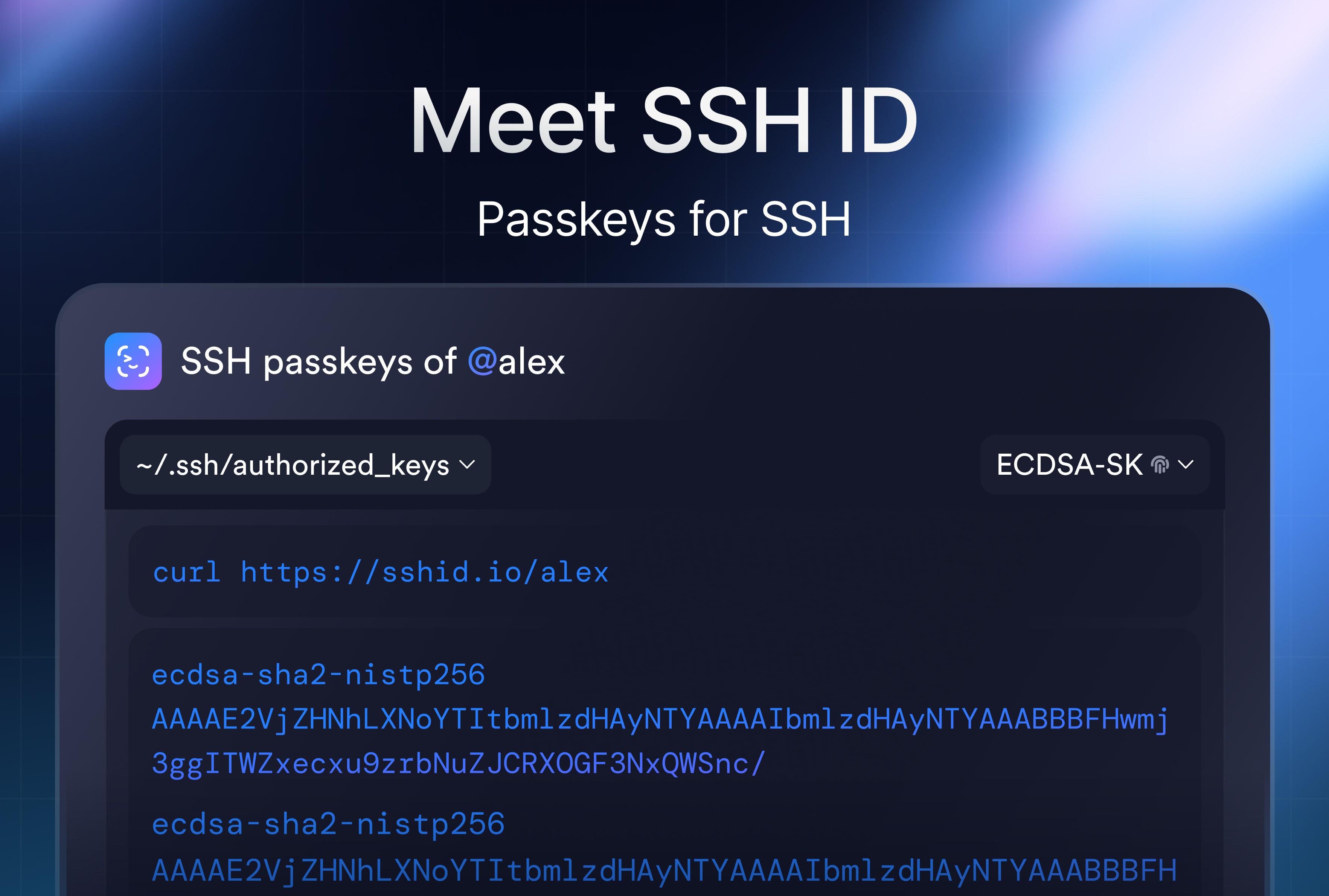
SSH ID – Passkeys for SSH
SSH ID is a passkey for SSH. This is a new tool inside Termius that combines the security of device-bound keys with the simplicity of sync.
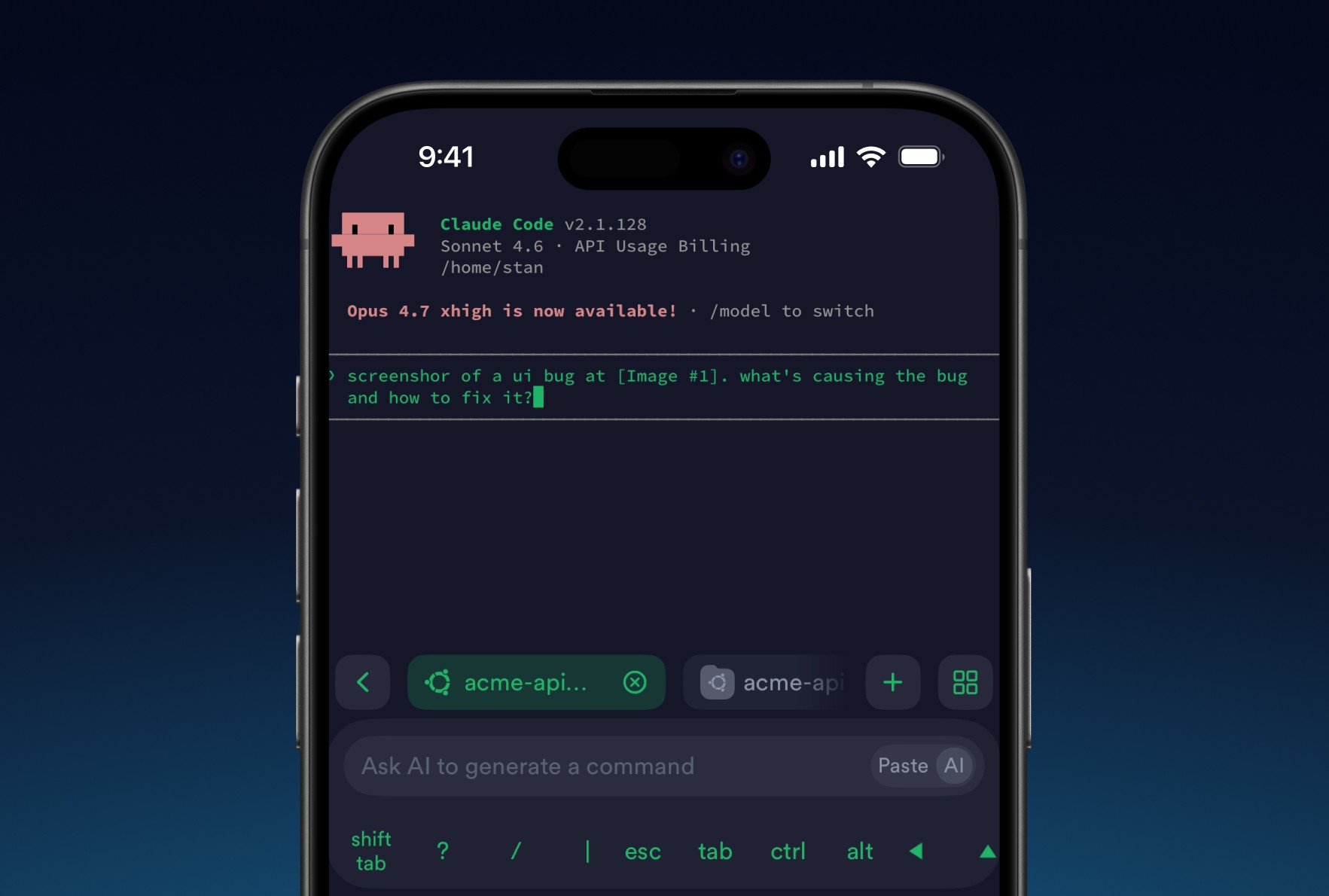
8 tips for using AI agents on mobile with Termius
Learn tips to improve your experience on your phone. Set it up once and your phone stops being a fallback and starts being a workstation.
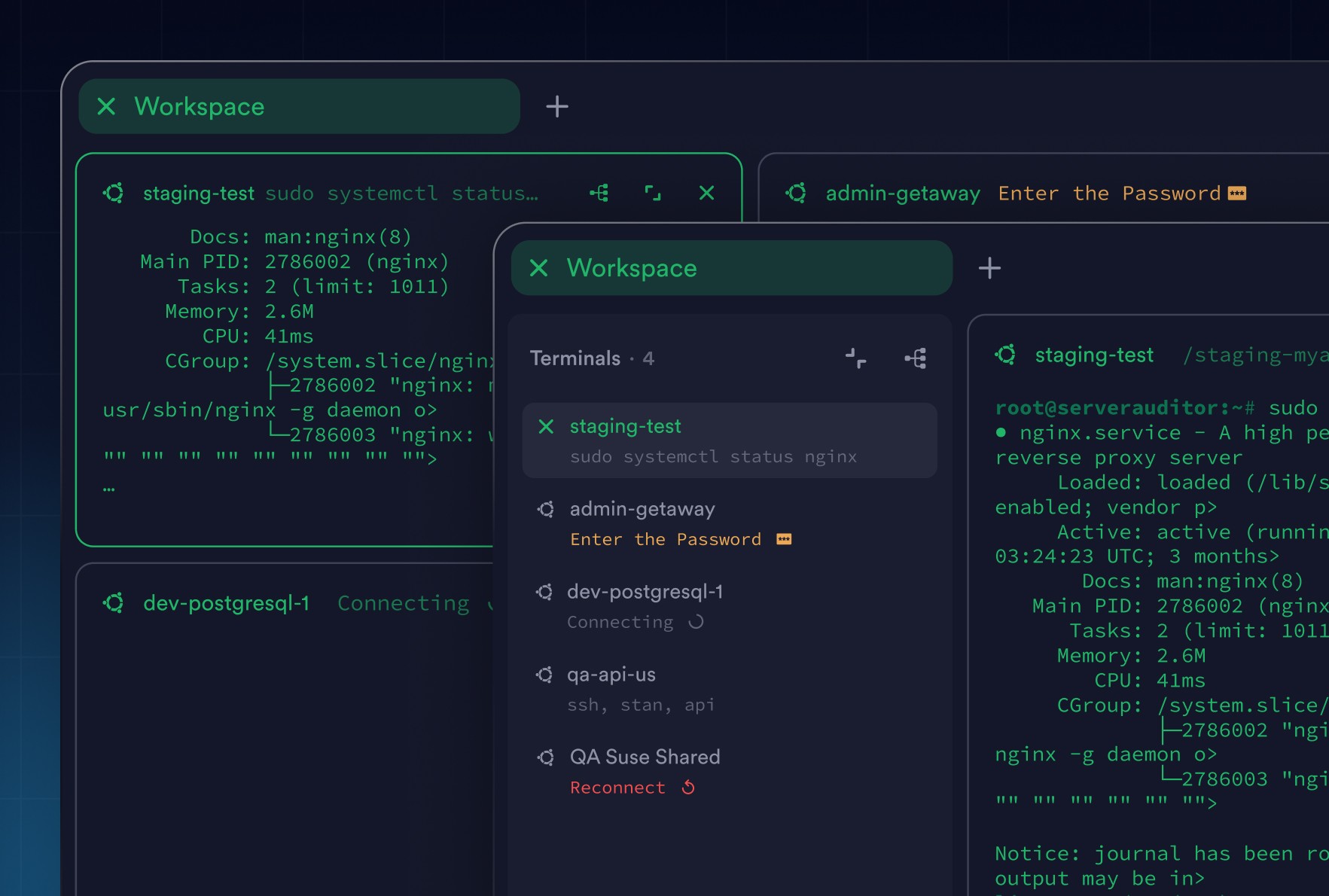
Workspaces: Focus Without Losing Context
Workspaces bring structure to terminal work. Group related sessions, stay focused, and keep full visibility across hosts without juggling tabs.